
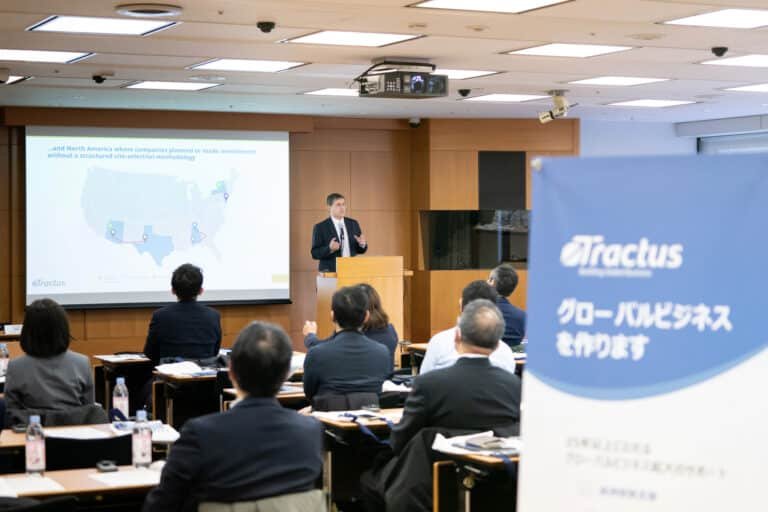
On Friday 23 October, Tractus will hold a seminar in…
Read More
Empower Innovation, Drive Excellence, Enhance Growth.




A Japanese apparel client said this to us while planning their India entry. They were right. But they were also missing the point. India does not ask you to compete with giants. It asks you to build something different.That distinction sits at the heart of Japanese investment in India today.
Toyota Kirloskar Motor and Uniqlo offer the clearest blueprints. Different sectors, different decades, but the same playbook: deep localization, the right partner, and a long-term horizon.
Toyota Kirloskar Motor entered the Indian market in 1997 with a joint venture and a strict supplier development policy. Through sustained investment, the share of locally sourced parts has now exceeded 87%. The company introduced strong hybrid technology aligned with India’s emissions-regulation priorities, and the strategy is paying off. In 2024, Toyota Kirloskar Motor recorded a calendar-year sales record of 326,329 units, a 40% surge versus 2023. It has now established itself as a long-term manufacturing and export base.
UNIQLO chose a different path. In 2019, it entered the Indian market through a joint venture with Reliance Retail, significantly reducing market-entry and real-estate risks. Rather than scaling rapidly, UNIQLO started by opening flagship stores in Delhi and Mumbai and refined its assortment and pricing. Prices were proactively localized—kept about 20–30% lower than in Japan and most other markets—and the brand focused on core, seasonless staples. Today, UNIQLO operates 16 stores across India. In FY2025, revenue rose 44% to surpass INR 1,100 crore (about US$130 million), and the company aims to sustain 30–40% annual growth over the next three years and reach INR 3,000 crore (about US$360 million) in revenue.
Behind these two examples lies an even longer history. Starting with a joint venture with the Government of India in 1981, Maruti Suzuki’s 40-year journey, deep localization, and more than 40% share of India’s passenger-car market remain a foundational case study for any Japanese company entering India. Each case may look different on the surface, but the underlying logic is the same.
The lesson for Japanese companies is clear. In India, patience matters more than speed, integration into the local market more than imitation, and partnerships more than going it alone. As global supply chains are reshaped by geopolitics and the need to diversify beyond traditional hubs, India stands out not as a tactical bet, but as a strategic base.
Japan, the “Land of the Rising Sun,” and India, a fast-rising economic powerhouse, are building one of Asia’s most important partnerships. Three developments in 2025 made this tangible.
This combination is highly significant. Japan’s discipline, capital, and technology, together with India’s scale, demographics, and improving business environment, can create powerful synergies.
India has spent the last decade simplifying the rules: a unified tax system (GST), easier FDI norms, faster approvals through Make in India and Digital India, and a Production Linked Incentive (PLI) framework that has attracted committed capital from global manufacturers.

On Friday 23 October, Tractus will hold a seminar in…
Read More
Cross-border M&A in Southeast Asia has grown steadily over the…
Read More
June 29, 2026 Published in FDI INTELLIGENCE | By JOHN…
Read More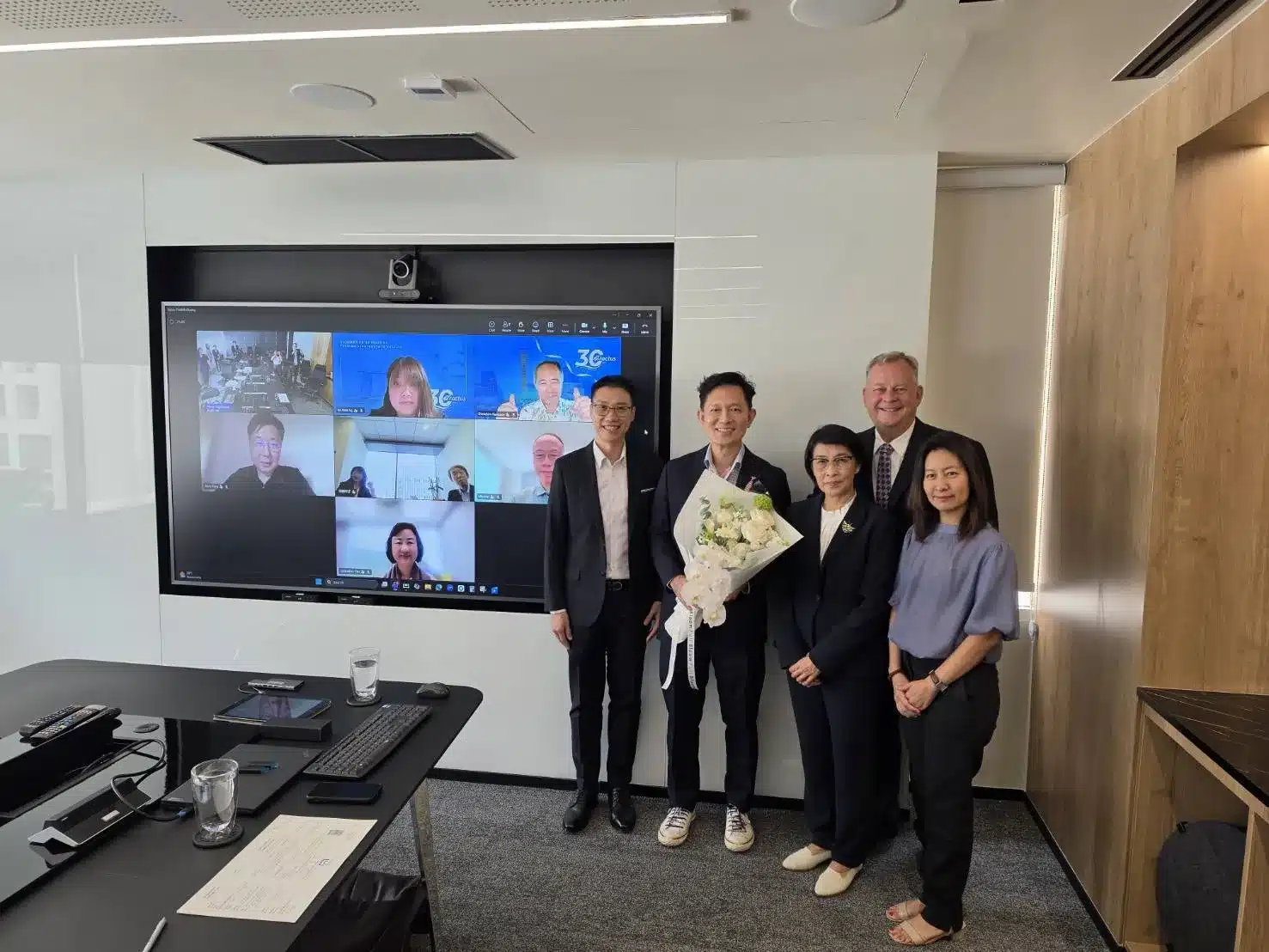
[Bangkok, Thailand, 29 May 2026] – Tractus, through its corporate…
Read More
April 29, 2026 Published in “FDI INTELLIGENCE” (Financial Times Group)…
Read More
[Bangkok, Thailand, February 2024] – Tractus is pleased to announce…
Read More
A Japanese apparel client said this to us while planning…
Read More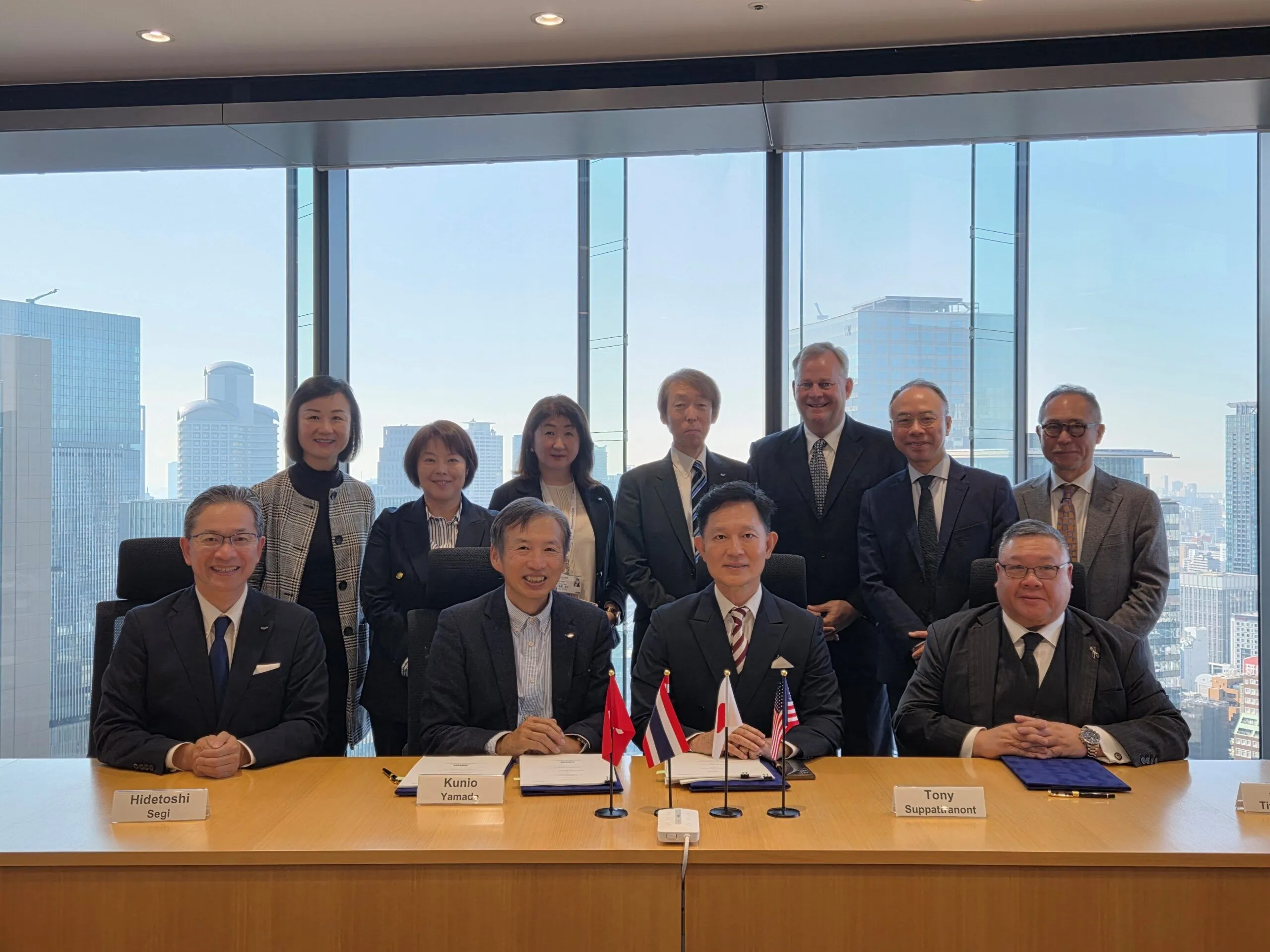
[Bangkok, Thailand, 8 January 2026] – Tractus is pleased to…
Read More
Tractus Japan’s chief representative Shinichiro Kawazoe was recently quoted in…
Read More